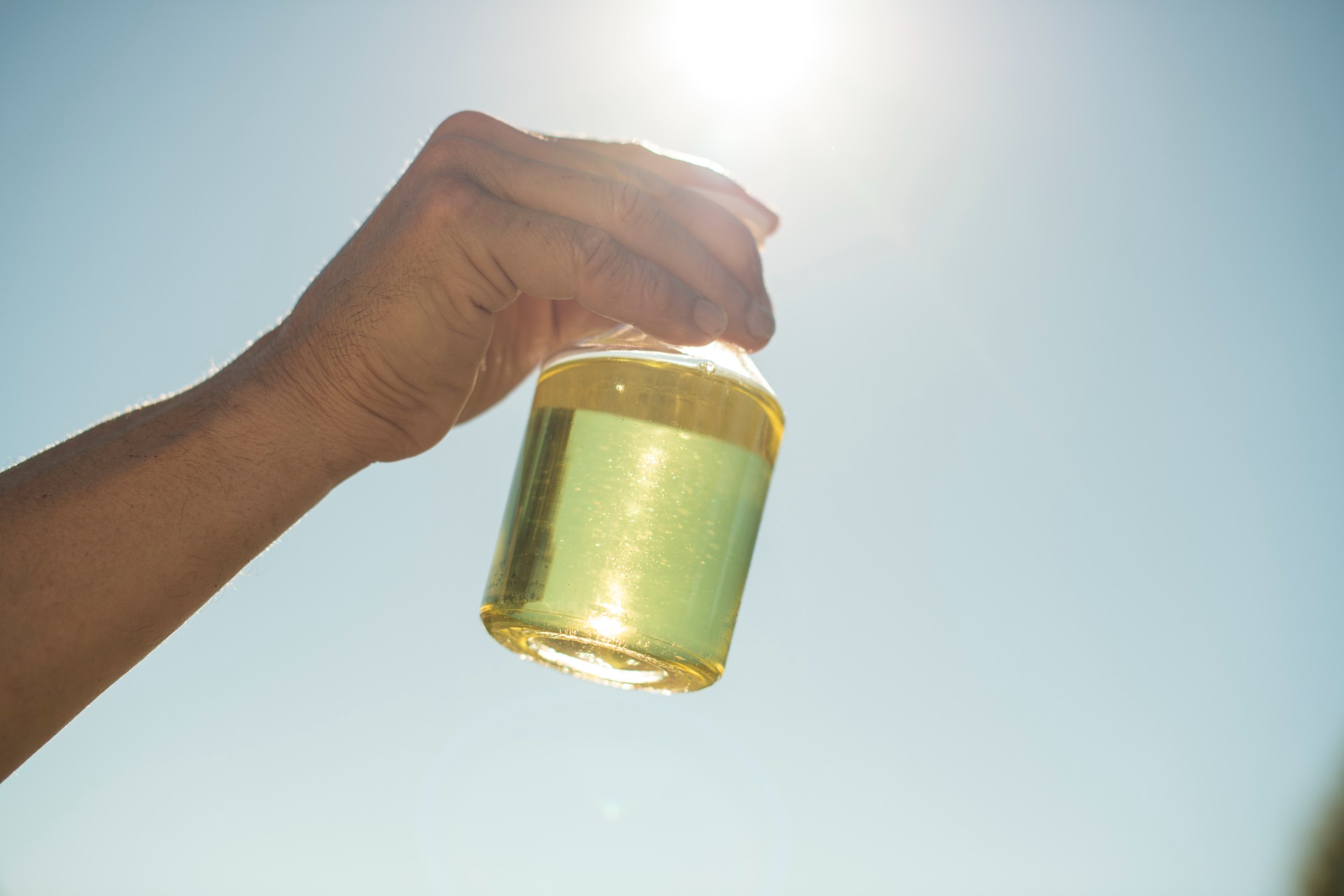
Manuka Oil is a natural: Analgesic, Anesthetic, Antiasthmatic, Antibacterial, Antifungal, Anti-inflammatory, Antimicrobial, Antiparasitic, Antipruritic, Antiseptic, Antiviral, Antizymotic, Aphrodisiac, Deodorant, Diaphoretic, Exanthematous, Expectorant, Fungicidal, Germicidal, Immune stimulant, Insecticide, Nervine, Sedative, and Vulnerary.
Manuka Oil Uses and Information
 |
Historical Use
 |
Manuka, as it is called by most New Zealanders, was used in pre-European times by the traditional people of New Zealand, the Maori, and still is. A decoction of the leaves was drunk for urinary complaints and as a febrifuge. The steam from leaves boiled in water was inhaled for head colds. A decoction was prepared from the leaves and bark and the warm liquid was rubbed on stiff muscles and aching joints. The emollient white gum, called pai Manuka, was given to nursing babies and also used to treat scalds and burns.
Chewing the bark is said to have a relaxing effect and it enhances sleep.

|
|
 |
Active Constituents
 |
The main active
constituents of Manuka Oil are the Trichetones,
Flavesone, Leptospermone, Isoleptospermone, and the highest levels of these are
only found in plants ( Leptospermum Scoparium) growing naturally on New
Zealand's remote "East Cape". |
 |
Research has
confirmed that particularly against bacteria such as Staphylococcus and
Streptococcus and Pathogenic Fungi, Manuka Oil has higher
antibacterial and antifungal activity than Tea Tree Oil ( Melaleuca
Alternifolia). |

|
 | Important Note:
 |
It is very important to understand that only East Cape Chemotype Manuka has potent antimicrobial characteristics. Also because of this products unique steam distillation method, a much higher Tiketone level is achieved compared with another East Cape Chemotype being sold.
|
|
The Manuka Oil sold by ManukaOil.com is produced in large quantities and is an "East Cape Chemotype" Manuka Oil

 |
Therapeutic Action
 |
Manuka Oil has been shown to be effective when used as an:
 |
Antibacterial
|
|
 |
Antifungal
|
|
 |
Anti-inflammatory
|
|
|
 |
In the Journal of Agriculture and Food Chemistry (Jan. 1990, v. 38), Molan, Wilkins and Holland researched the components responsible for the exceptionally high antibacterial activity of honey from Manuka flowers. They tested fractions of the honey for activity against staphylococcus aureus in particular, which is the bacteria that causes skin infections such as impetigo.
|
 |
Perhaps most interesting with the current emergence of strains of antibiotic-resistant bacteria is that laboratory tests have indicated Manuka Oils effectiveness as a treatment against some antibiotic-resistant organisms.
|
 |
Manuka oil has shown to be effective in laboratory tests against 39 separate micro-organisms (listed below), in particular, streptococci and staphylococcal bacteria and fungi that affect the skin.
|
|

 |
Medicinal Uses
 |
Manuka Oil has been shown to treat or aid in the treatment of the following:
|
External
Application for Treatment of:
|
Abrasions - skin
Abscesses
Acne
Bed sores
Blisters
Boils
Burns
Carbuncles
Cold sores
|
Cracked skin
Dandruff
Dermatitis
Ears or body pierced - infection of
Eczema
Fungal infection
Insect bites
Lice
Nail infections
|
Pimples
Ringworm
Rinitis
Skin - oily
Sores
Sunburn
Tinea
Tonsillitis
Ulcers - varicose
|
|

 |
Instructions and Dosage
 |
External: - 2-4 drops of
Low Aroma Manuka Oil in the bath or placed directly on affected area.
|
 |
Mild Sunburn: - Apply
cold water to remove heat and gently rub
Essential Power Cream into
affected areas to help relieve stinging and later itching.
|
 |
Fungal infections, Athletes Foot &
Nail Bed Infections: - Apply a few drops of
Low Aroma Manuka Oil with a cotton ball, twice daily, or
alternatively use
Essential Power Cream. Continue to
apply for 5 days after visible signs of infection have gone.
|
 |
Itching Scalp and Dandruff:
- Add 10 drops of
Low Aroma Manuka Oil to a normal amount of
shampoo and massage into wet hair and scalp. Leave for five
minutes before rinsing.
|
 |
Cuts, Scratches and Abrasions:
- Apply Pure Manuka Oil, or alternatively use
Essential Power Cream.
|
 |
Oily Skin and Pimples: -
Wash affected daily then apply
Low
Aroma Manuka Oil as a spot
treatment for problem areas, or use
Essential Power Cream as a complete treatment.
|
 |
Skin Irritation, Chafing and
Rashes: - Wash regularly then apply
Essential Power Cream twice daily as required.
|
 |
Foot and Body Odour: -
For foot odour, rub
Low
Aroma Manuka Oil or
Essential Power Cream into feet 3 times per week. Also
protects against fungal infection.
|
 |
Insect Bites and Stings:
- Apply
Low
Aroma Manuka Oil or
Essential Power Cream to help relieve
itching and inflammation and prevent infection.
|
 |
Aching Muscles and Joints:
- Massage
Manuka Oil into tired and aching muscles and
joints.
|
 |
The Manuka Oil sold by ManukaOil.com does not cause a skin reaction in most individuals (refer to Cautions below) and is helpful for all skin problems where the skin is sensitive.
|
|

 |
Aromatherapy Uses
 |
Manuka
Oil is rapidly gaining popularity in the field of Aromatherapy.
|
 |
Some
aromatherapists believe that although the effectiveness of Manuka
Oil as a bactericide and fungicide is dramatic- Manuka Oil has
another side to it.
|
 |
A
leading German Aromatherapist- Ruth von Braunschweig reports on
the sensual, "feel good" side of Manuka Oil, stating it to be
beneficial for people with over sensitive nervous systems and
those who suffer from stress and anxiety. Conditions that often
manifest themselves in allergic reactions. She states that "Manuka
Oil" is very effective for many skin problems. It strengthens the
psyche and at the same time stabilizes the skin, it makes it more
resistant, because it is relaxing for the skin nerves as well as
cell activating and regenerating for the outer skin layers. The
skin doesn't overreact constantly, - it doesn't come out in a rash
so fast. Therefore Manuka is helpful for sensitive skin,
especially itching, acne, badly healing skin, inclination to
fungal infections, ulcers, bedsores and infections.

|
|
 |
Household Uses
 |
Manuka Oil is extremely useful as a household disinfectant.
|
 |
For an antiseptic action in the laundry, add half a teaspoon of oil to each wash load.
|

|
 |
Perfumery Uses
 |
Manuka Oil has a honey-like aroma, sweet yet herbaceous and medicinal.
|
 |
It blends well with bay leaf, bergamot, black pepper, cajuput, cedarwood atlas, cinnamon, clove bud, elemi, ginger, juniper, lavender, nutmeg, peppermint, rose, rosemary, sandalwood, thyme, vetiver and ylang ylang.
|
 |

|
|
 |
Cautions
|
 |
References:
The following references were used to compile this page.
 |
Cooke A, Cooke MD, Cawthron Institute, An investigation into the Antimicrobial Properties of Manuka and Kanuka Oil, February 1991.
|
 |
Perry, N. B.; Brennan, N. J.; van Klink, J. W.; Harris, W.; Douglas, M. H.; McGimpsey, J. A.; Smallfield, B. M.; Anderson, R. E. Essential oils from New Zealand Manuka and kanuka: chemotaxonomy of Leptospermum. Phytochemistry 1997, 44, 1485-1494.
|
 |
Perry, N. B.; Van Klink, J. W.; Brennan, N. J.; Harris, W.; Anderson, R.E.; Douglas, M. H.; Smallfield, B. M. Essential oils from New Zealand Manuka and Kanuka: chemotaxonomy of Kunzea. Phytochemistry 1997, 45, 606-1612.
|
 |
Porter, N. G.; Smale, P. E.; Nelson, M. A.; Hay, A. J.; Van Klink, J. W.; Dean, C. M. Variability in essential oil chemistry and plant morphology within a Leptospermum scoparium population. N. Z. J. Bot. 1998, 36, 125-133.
|
|
All care has been taken in compiling this page, but no responsibility can be taken for any errors or omissions.

 | Be certain of the best and purchase
your Manuka Oil from ManukaOil.com
|
|